THMA's 2026 Healthcare Leadership Conferences for Executives
Engage directly with the executive and governance leaders of the nation's leading health systems
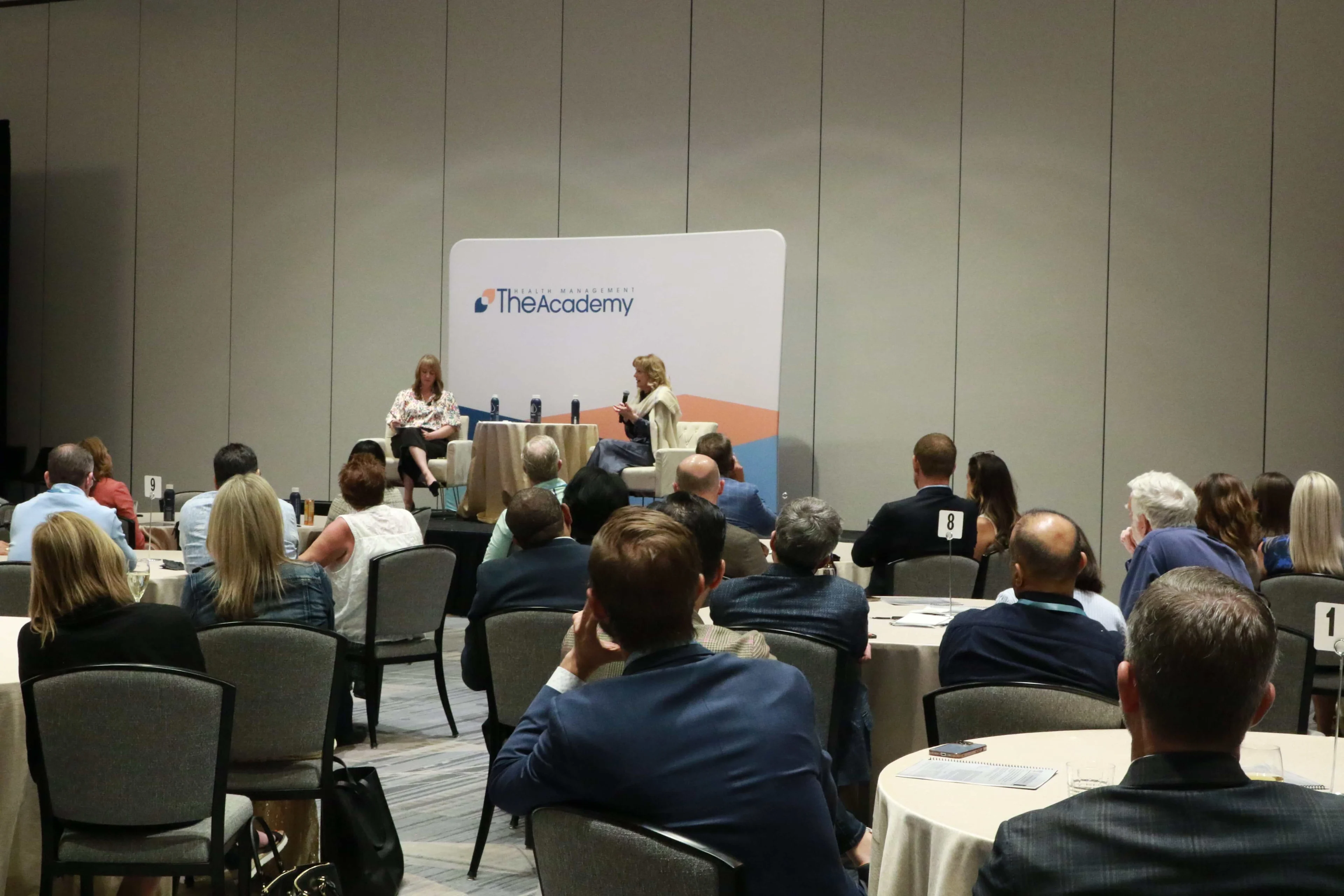
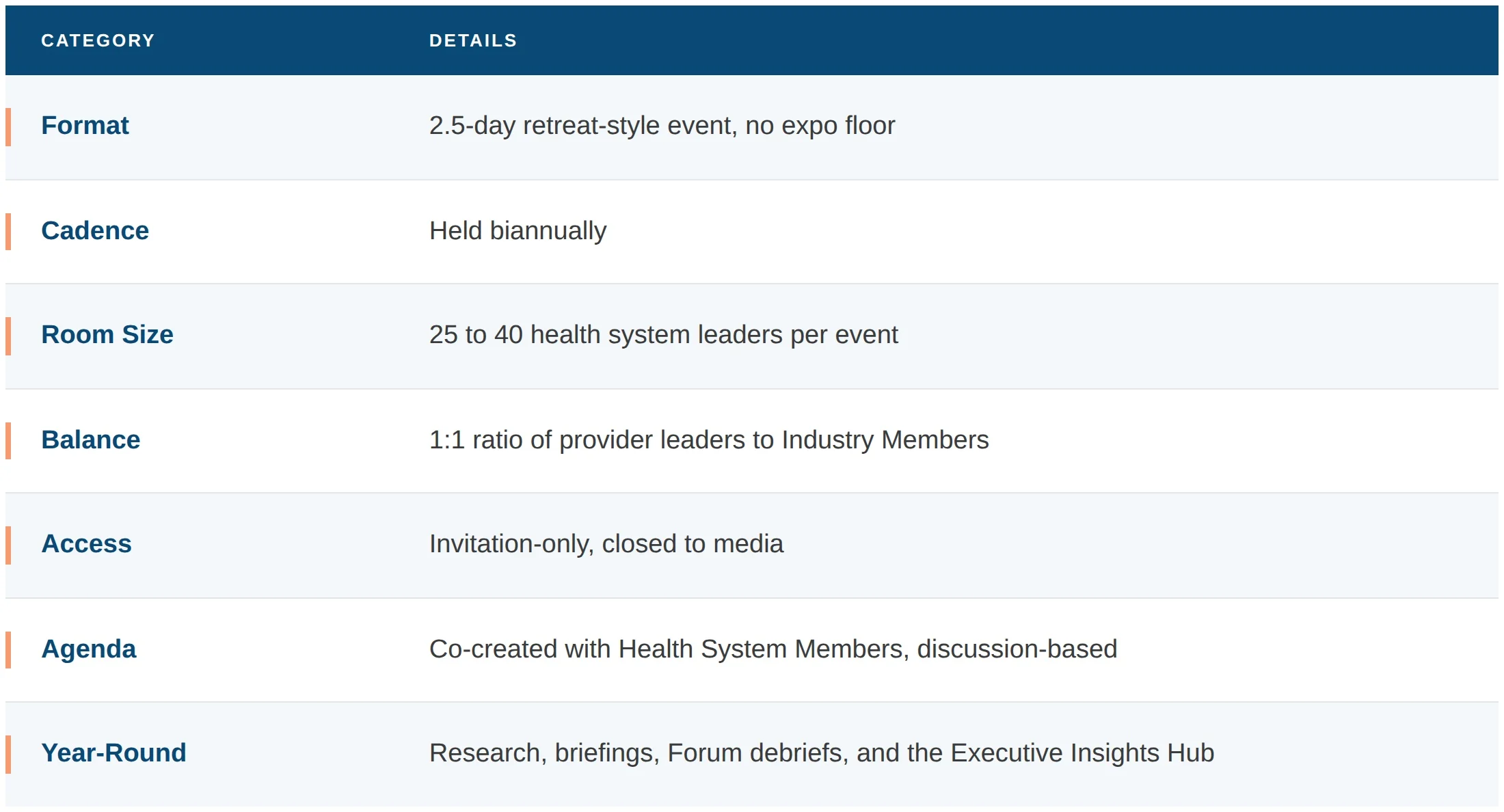
The Health Management Academy (THMA)'s healthcare leadership conferences are invitation-only events where the executives and leaders of the nation's largest hospitals and health systems work through the decisions they cannot delegate. Every Forum is closed to media, seats 25 to 40 senior leaders, and is built around candid discussions rather than a keynote stage.
They are facing artificial intelligence governance and implementation, disrupted revenue streams, and workforce shortages. THMA's leadership and governance forums provide senior healthcare leaders with a peer-driven setting for real dialogue, honest collaboration, and actionable insights to improve operations and governance.
What to Expect at a THMA Healthcare Leadership Conference
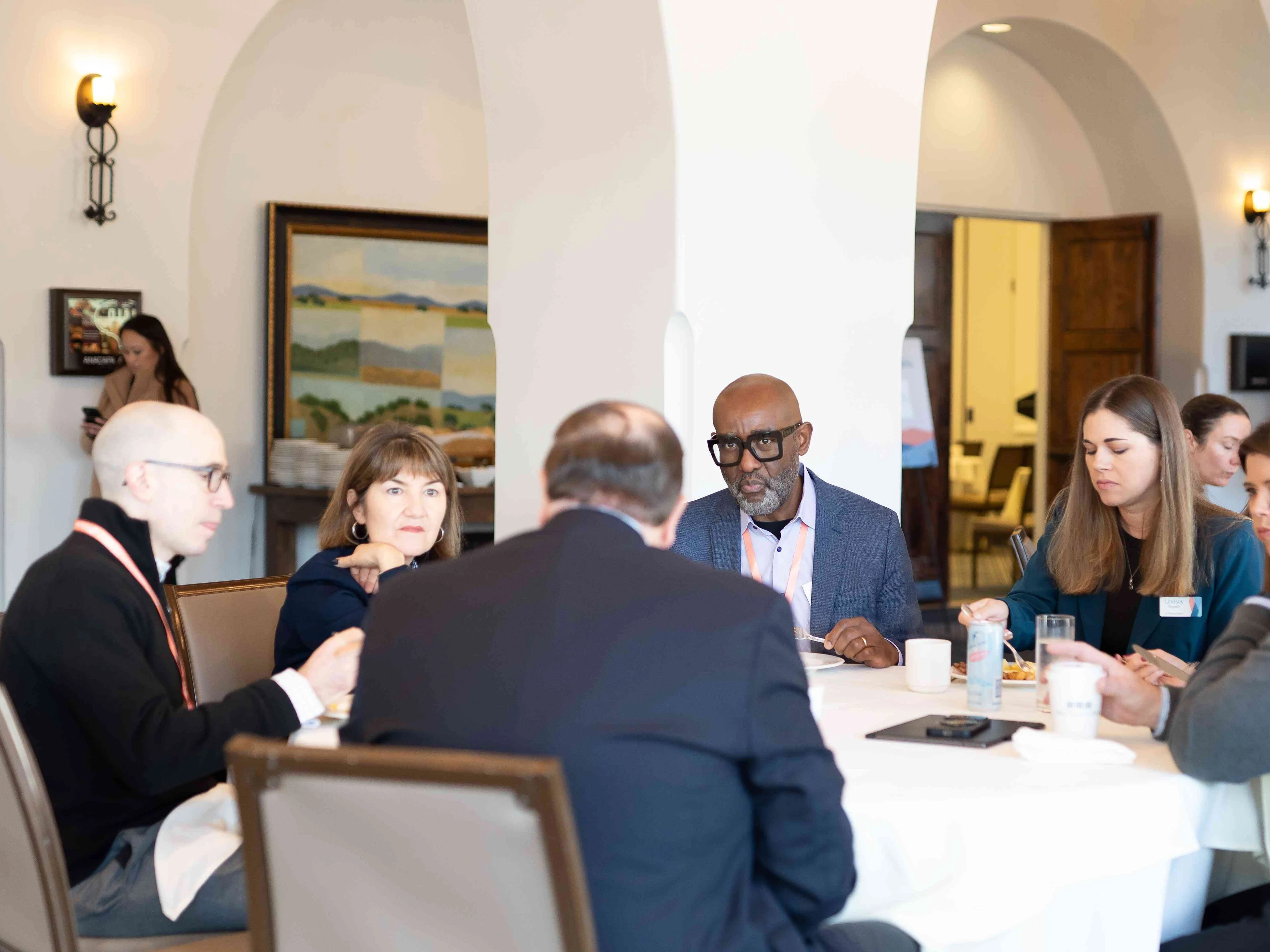
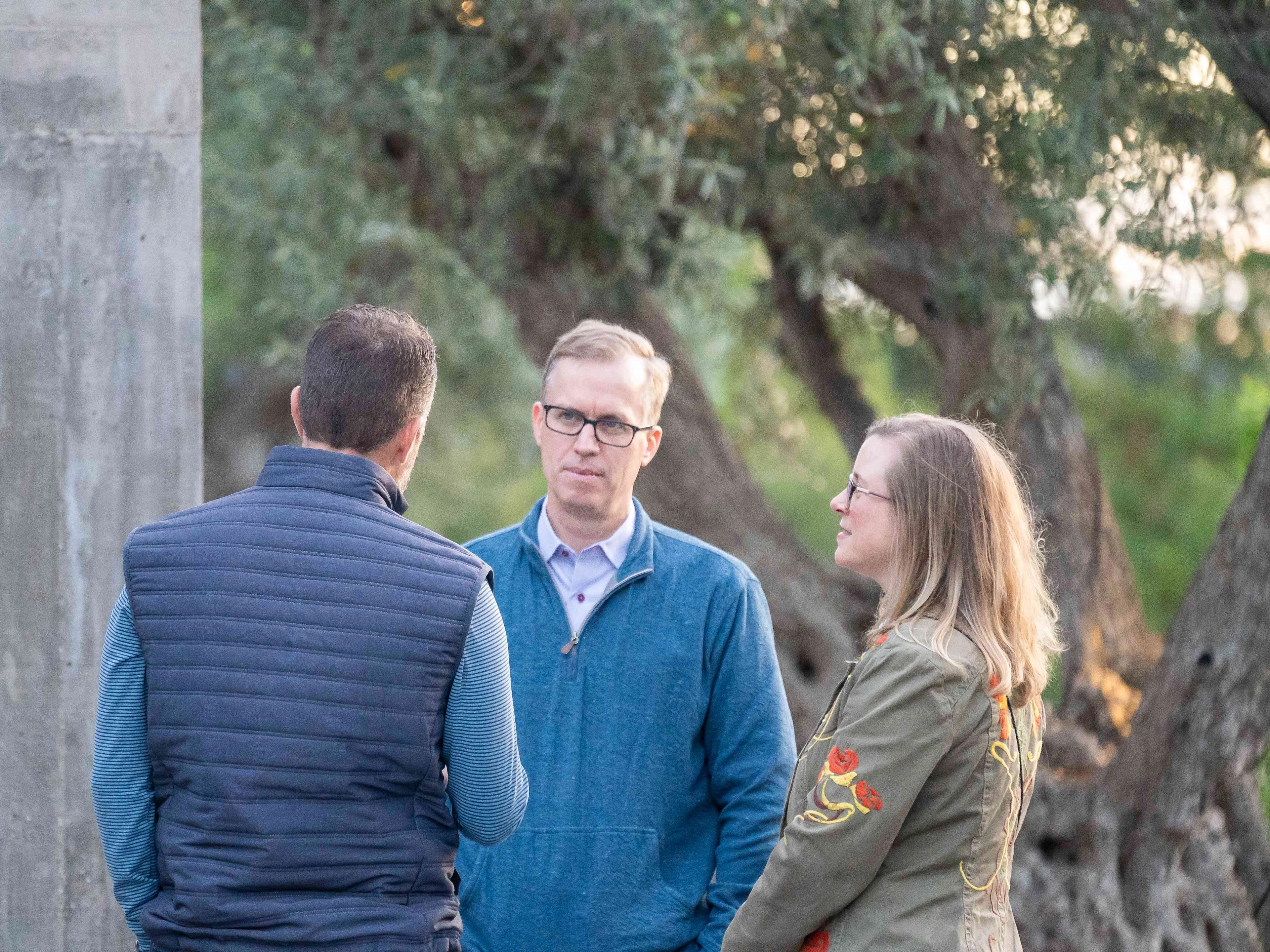
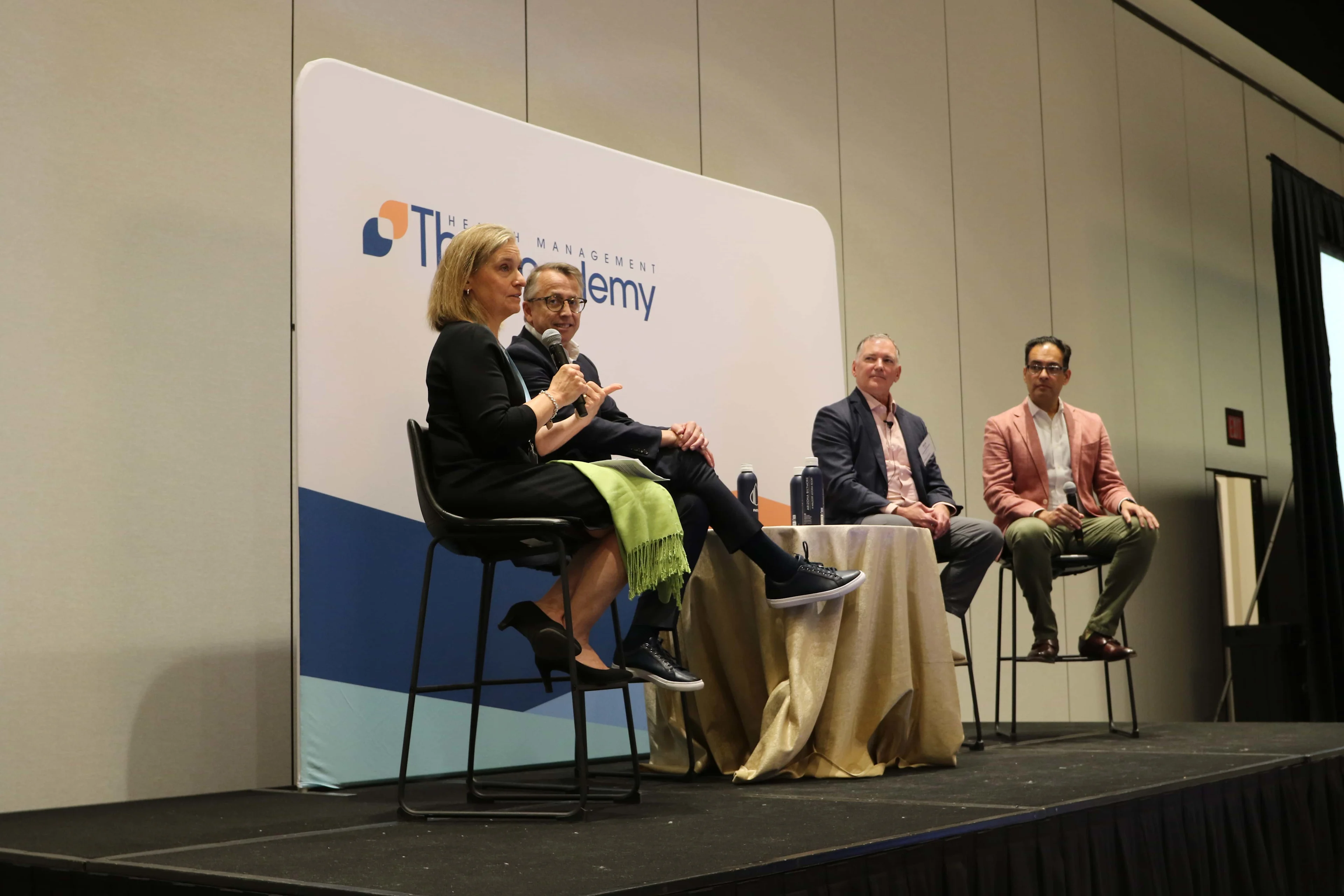
Every THMA leadership Forum runs on the same format. Two and a half days, retreat-style, closed to media, with the room balanced one-to-one between hospital and health system leaders and Industry Members.
The format is the result of intentional design. Large healthcare conferences are built to move volume through an exhibit hall. THMA's events are built so that 30 hospital leaders can say something in a room they would not say on a stage.
2026 Executive Leadership & Governance Conference Dates
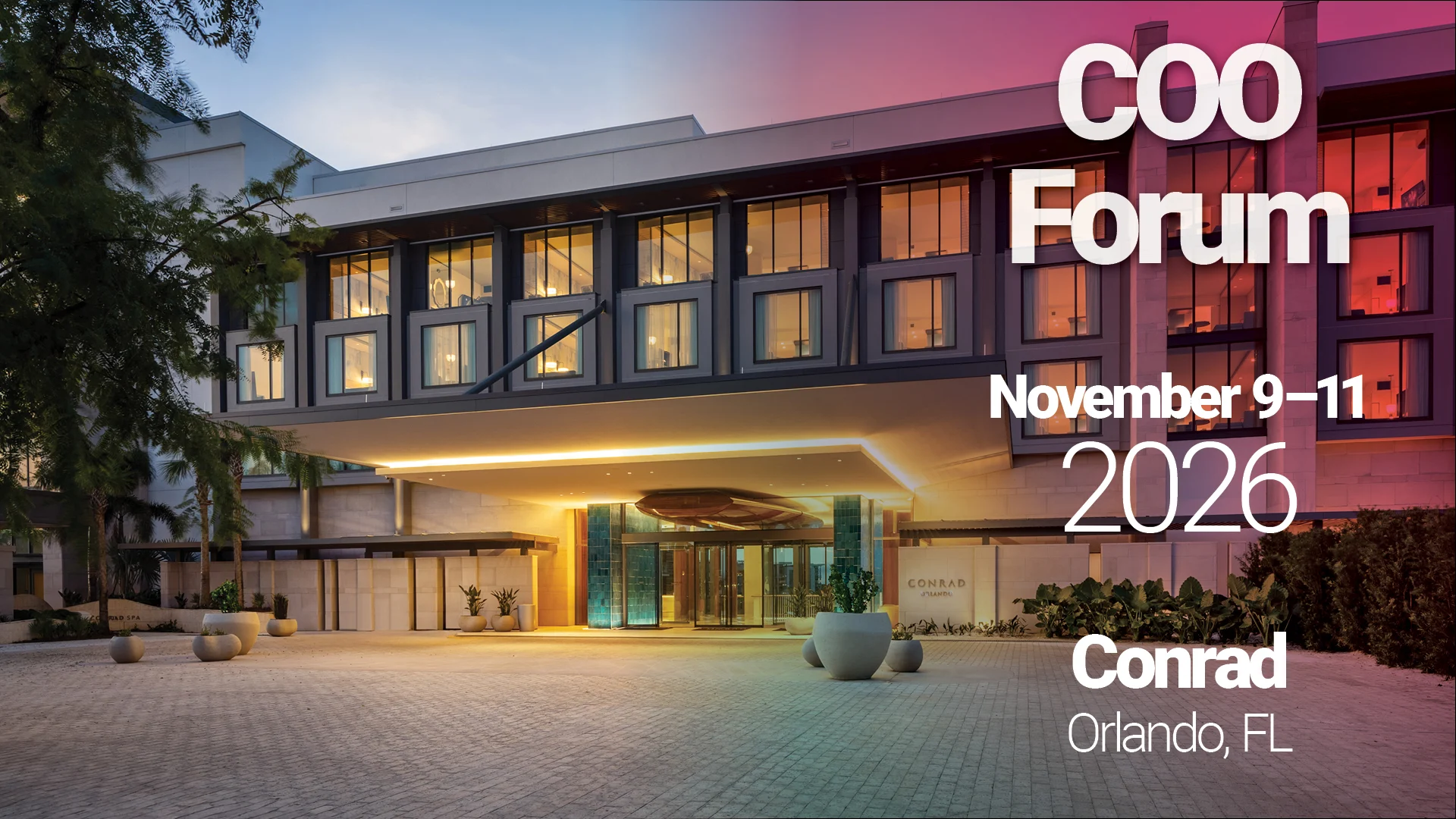
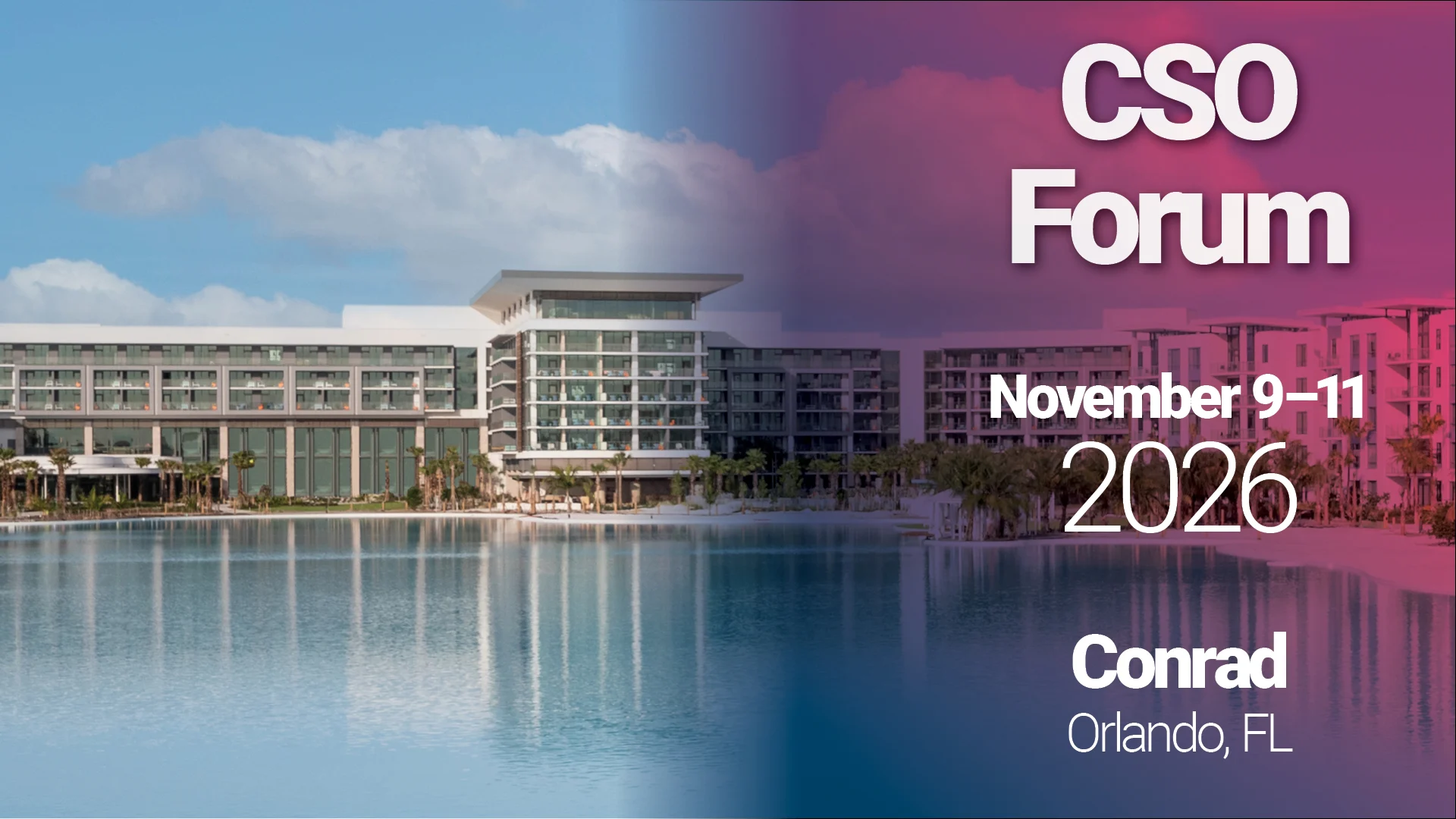
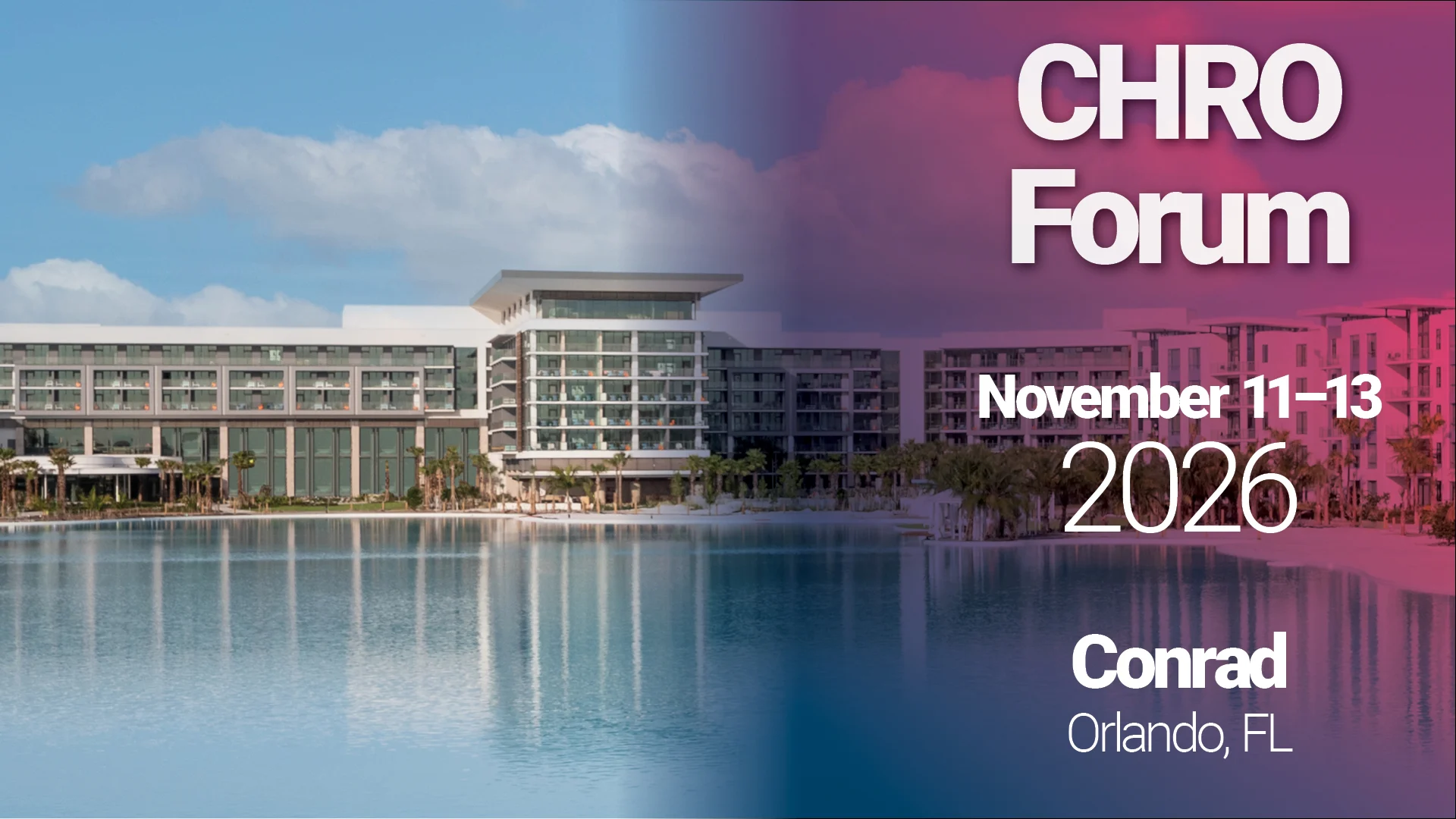
THMA hosts multiple leadership and governance forums in 2026, covering the CEO, COO, CSO, CHRO, and Chief Legal Executive roles. Each 2.5-day program is held in a retreat-style environment that supports candid exploration of the most pressing issues in healthcare leadership, and each gives senior leaders room to connect, exchange ideas, and sharpen strategic direction.


Health System Forum Members













People Strategy, Performance, and Advocacy
Cultural alignment, workforce integration, and operational continuity are keeping Chief Human Resource Officers up at night. Sessions led by CHROs and their peers cover building organizational resilience, earning trust as healthcare leaders, and the CHRO role in successful CEO onboarding. These conversations go deep on workforce agility, succession planning, change management, and HR leadership before, during, and after mergers. Governance and patient experience intersect with care delivery, and CHROs sit at that intersection.
Care Delivery, Value-Based Care, and Financial Sustainability
Value-based care changes what good operational performance looks like. These discussions focus on designing care delivery that holds up under risk-based contracts, the care models and operating models that support it, and the financial strategy behind financial sustainability when volume alone no longer pays. Members compare notes on where healthcare delivery costs are moving, how patient care and patient experience hold up under redesign, and which operational excellence efforts survived contact with the front line.
Strategic Focuses for 2026
THMA's 2026 forums bring seasoned healthcare and industry leaders together for an inside-Washington briefing and action-focused discussions on how evolving federal policies are reshaping operations, finances, governance, and revenue.
AI for Strategy and Organizational Impact
The pace of AI adoption raises hard questions for modern healthcare organizations. It is expensive to implement and difficult to integrate into environments where EPIC still plays a critical role. Across the healthcare ecosystem, systems are evaluating AI-assisted diagnostics, expanding telehealth and virtual care, and watching AI reshape how managed care organizations price and adjudicate payment. Members know AI implementation has to drive value. In these sessions, CIOs, CMIOs, and their peers share practical strategies for enterprise-level AI, including how they aligned the technology with clinical, operational, and governance goals. Healthcare technology is now inseparable from organizational transformation, and digital transformation decisions get made at the enterprise level or not at all.
Federal Policy, Reimbursement, and Compliance
Healthcare leadership conferences are where senior leaders get current on federal compliance obligations and reimbursement models before those changes reach the budget. THMA's 2026 sessions include an inside-Washington briefing on where federal policy is moving, what it means for reimbursement, and where compliance exposure is widening. Attendees leave with a read on the policy environment and on its likely future direction that they can take back to their boards.
Medicaid, Legal Issues, and Long-Term Revenue Diversification
These sessions examine emerging CMS issues, including regulatory action and litigation to limit how states finance the non-federal share of Medicaid payments. We explore the changing Chief Legal Executive role, technology governance to reduce legal risk, and managing investment portfolios for value and long-term revenue diversification. Discussions support executive directors, senior directors, and other C-suite leaders setting healthcare leadership strategy across complex organizations.
Who Attends Our Executive Leadership & Governance Conferences?
Some of the most experienced senior healthcare leaders from the country's leading systems attend THMA leadership and governance forums. They are joined by select healthcare industry partners. Members return annually for the frank, open discussions held behind closed doors. This is a highly curated, member-led community built for the highest-level leaders seeking thought leadership, innovation, and meaningful connections.
Health System Executives and Leaders
CEOs, Chief Legal Executives, Chief Human Resources Officers, and Chief Philanthropy Officers attend to discuss issues, barriers, and opportunities with honesty and clarity. Members who have attended for years know that purposeful idea exchange between peers in a dedicated, small-group setting produces innovative answers that improve patient outcomes and organizational effectiveness.
Healthcare Industry Executives
Senior healthcare executives with a wide web of long-lasting relationships tend to get faster access to information, resources, and real-time answers. THMA brings industry innovators into the conversation on a 1:1 ratio with provider leaders. The industry executives who join these forums are there to listen, gain insights, contribute research-based perspectives, and build lasting connections rooted in shared goals and healthcare innovation.
How to Choose the Right Healthcare Leadership Conference
Most healthcare leaders can attend three or four events a year, so the choice matters. The right conference depends on the decision you are trying to make, not on the size of the attendee list. Five questions separate a useful event from an expensive week away from the office.
Is the room your peer group? A CHRO gets more from 30 CHROs than from 3,000 mixed attendees. Match the room to your role and career stage.
Who sets the agenda? Agendas built by members reflect current pressing challenges. Agendas built by sponsors reflect what sponsors want to sell.
Can people speak freely? Closed-door, media-free events produce candid discussions about what failed. Open events produce case studies about what worked.
What kind of networking is on offer? Volume networking is useful for market scanning. Small-group networking is how peer connections turn into working relationships.
Does anything happen afterward? Year-round research, briefings, and debriefs turn an event into a durable relationship. A tote bag does not.
By those criteria, large open-registration healthcare conferences and THMA's invitation-only forums do different jobs. Broad conferences are efficient for scanning the market and for executive networking at volume. Small peer forums are where senior health care executives compare operating decisions.
Is a THMA Technology Conference Right for You?
We have opened seats and are seeking healthcare companies to join our community of provider decision makers. You may be a good fit if you are:
Looking to build long-term relationships with health system influencers and key decision makers, not just hit year-end lead targets
Providing an innovative solution designed to solve a real hospital or system challenge
Passionate about sharing and absorbing industry knowledge, and comfortable among thought leaders
A Director or higher in a commercial role
An organization with $25M+ in annual operating revenue
Explore THMA's Healthcare Conference Portfolio
Leadership and governance is one of six tracks under Executive Convening. Each track convenes a different set of hospital and health system leaders.
Healthcare Leadership & Governance Conferences for CEOs, CHROs, Chief Legal Executives, and Chief Philanthropy Officers
Medical Conferences for chief medical and clinical leaders
Healthcare Operations & Administration Conferences for COOs and hospital operations leaders
Healthcare Financial Management Conferences for CFOs and finance leaders
Healthcare Technology Conferences for CIOs, CMIOs, and digital leaders
Healthcare Marketing Conferences for chief marketing and consumer leaders
New to the model? Start with What Is Industry Convening?
Frequently Asked Questions
What is Executive Convening?
Executive Convening is The Health Management Academy's in-person Forum platform. It brings hospital and health system C-suite leaders together with a curated group of industry executives in small, peer-focused communities. Each Forum meets in a 2.5-day, retreat-style event supported by year-round research, briefings, and debriefs that help members turn conversations into commercial and strategic action.
Who are these leadership and governance forums designed for?
These forums are built for hospital and health system C-suite leaders, including CEOs, CHROs, Chief Legal Executives, and Chief Philanthropy Officers, plus a small, vetted group of industry executives whose solutions align with enterprise-level strategy and governance. On the industry side, attendees are typically CEOs, Chief Growth Officers, senior commercial leaders, and heads of strategy who need direct, peer-to-peer access to decision makers rather than buyers in a single function.
How are these forums different from typical healthcare conferences or trade shows?
These forums are built for hospital and health system C-suite leaders, including CEOs, CHROs, Chief Legal Executives, and Chief Philanthropy Officers, plus a small, vetted group of industry executives whose solutions align with enterprise-level strategy and governance. On the industry side, attendees are typically CEOs, Chief Growth Officers, senior commercial leaders, and heads of strategy who need direct, peer-to-peer access to decision makers rather than buyers in a single function.
What kinds of topics are covered across these leadership and governance conferences?
Content focuses on system-wide, board-level issues:
- Governance, organizational structure, and succession planning
- Value-based care and total cost of care strategy
- Workforce, culture, and leadership development (CHRO / CEO)
- Policy, regulatory, and legal risk (CEO / Chief Legal / Strategy)
- Philanthropy and capital campaigns aligned to enterprise strategy
- AI, digital transformation, and innovation at the enterprise level
Sessions are built from real cases.
How do these events address federal policy and reimbursement changes?
Each 2026 Forum includes an inside-Washington briefing on federal policy, followed by working sessions on what those changes mean for reimbursement, compliance, and revenue. The emphasis is on what leaders should do differently in the next two quarters, not on a recap of what already passed.
How is artificial intelligence changing what healthcare leaders discuss at these events?
AI has moved from a technology conversation to a governance and finance conversation. Systems are weighing AI-assisted diagnostics and expanded telehealth against integration cost, while payers apply AI to managed care payment decisions that affect provider revenue. Forum sessions focus on where AI creates measurable value, who owns the decision, and how governance keeps pace with deployment. The through-line is future revenue, not innovation for its own sake.
How does networking work at these events?
Networking is structural, not incidental. With 25 to 40 provider leaders in the room for two and a half days, the working sessions, roundtables, and shared meals are the networking. There is no expo floor and no badge-scanning, so peer connections form around a specific problem rather than a booth. Because the same faces return each cycle, members stay connected between events, and many describe this as the most useful executive networking of their year.
Who will I be in the room with?
Each Forum convenes 25 to 40 leaders from the country's largest health systems, plus a limited number of industry participants who clear THMA's fit criteria of strategic partnership focus, thought leadership, and enterprise alignment.
What is the role of industry participants at these events?
Industry Members are treated as peers, not vendors. You will:
- Join working sessions, roundtables, and debriefs alongside health system leaders
- Share perspectives and case examples (where appropriate)
- Listen in on “how we really make decisions” conversations about governance, workforce, and enterprise strategy
- Build relationships that can evolve into strategic partnerships outside the room
The expectation is that industry attendees bring insight, not a pitch deck.
How do you keep conversations candid and not sales-driven?
All forums are closed to media, invitation-only, and structured as provider-first spaces. Discussion topics come from Health System Members, and industry attendees are there by virtue of strategic fit, not sponsorship alone. That design, plus the small group size, is what gets members talking openly about failures, pressures, and real decision criteria.
That design and the small group size encourages executives to speak openly about failures, pressures, and real decision criteria.
Is there value beyond the in-person forum?
Yes. Membership includes access to the Executive Insights Hub, which provides:
- Quarterly market pulse briefings on CXO priorities
- Forum debriefs summarizing key themes from other C-suite communities (CEO, CFO, COO, CNE, CPE, etc.)
- Executive Edge newsletters with short takes on market-moving events
- On-demand “Healthcare Bootcamp” modules to ramp your broader team on health system economics and structures
This helps your commercial, strategy, and product teams translate what’s heard in the room into day-to-day execution.
Can my team present or lead a session?
Industry Members can submit abstracts to lead or co-lead sessions where they have a clearly valuable, non-promotional viewpoint, such as a joint case study with a provider partner or market insights grounded in data. Final agenda decisions are made by THMA in partnership with Health System Members to keep content peer-driven and balanced.
How do these conferences help us advance our commercial strategy?
For industry companies, these forums are designed to:
- Clarify real CXO priorities so you can align your value proposition to governance, strategy, and workforce realities
- Shorten sales cycles by building trust well before an RFP appears
- Stress-test your messaging with senior leaders in a neutral, non-sales environment
- Translate complex issues like value-based care, policy change, and workforce strategy into clear commercial narratives your teams can carry into the field
Many members use forum insights and relationships to refine go-to-market strategy, targeting, and product roadmap for executive buyers.
How do you measure ROI for industry members?
THMA works with industry members to link forum participation to commercial metrics such as:
- New relationships and warm introductions with targeted CXOs
- Movement in active pipeline associated with executives who attend
- Increases in response rates, meeting rates, or deal velocity after events
- Retention and expansion of existing health system customers influenced by forum touchpoints
Are these events invitation-only? How do we know if we are a fit?
Yes. THMA's leadership and governance forums are curated communities, and every seat is filled by invitation. Industry partners are selected on alignment with provider strategic priorities, ability to contribute thought leadership, and organizational scale.
- Alignment with health system strategic priorities
- Ability to contribute thought l
Join the Leadership & Governance Community
Seats are limited and filled by invitation. THMA connects healthcare executives and industry innovators who are shaping the future of healthcare delivery, and the fastest way in is to tell us where your organization fits. If you belong in these rooms, apply to join, and we will connect you with the Forum where your innovation agenda lands closest to the room's priorities.
Apply Now