THMA 2026 Healthcare Technology Conferences
Engage directly with health system technology executives
Health system technology executives must navigate accelerated technology adoption, AI governance and risk, and fulfill expanding clinical and technological demands while executing on strategic priorities. It can be a Rubik’s Cube of challenges for the best strategic minds. However, in-depth exploration of complicated present and future technology issues with peers can generate healthcare innovation.
Our members gather for private, in-depth dialogue between fellow CIOs, Chief Medical Information Officers, and Chief Nursing Informatics Officers and Chief Data and Analytics Officers. THMA’s healthcare technology conferences facilitate strategic discussions on these pressing issues. Leading healthcare executives and industry leaders from the largest health systems in the US, and the organizations that support them, come together to help steer the future of digital health and healthcare analytics.

2026 Healthcare Technology Conference Dates
THMA’s health conference programs and forums are held biannually in retreat-style environments that provide private spaces and intimate settings for candid conversations. These immersive digital health events allow leaders from healthcare organizations to explore key challenges and share best practices away from day-to-day demands.
Health System Forum Members










Essential AI Strategy: Risk, Reward, and Governance
AI addresses some healthcare delivery challenges, but executives are finding it is also a costly solution. These sessions will explore AI-specific decisions that every health IT and technology professional must make in a fast-moving environment.
Experts will discuss how AI governance helps navigate complex deployment, especially in environments where EPIC still plays a critical role. Conversations include in-depth exploration of how AI integration can support operational goals such as surgical growth, margin improvement, and patient care optimization.
Strategic Focuses for 2026
THMA’s 2026 forums bring leaders together to address the real cost, risk, and opportunity of AI and emerging technologies through forward-looking, peer-driven conversations that shape practical, future-ready strategies.
Strategic Initiatives and Provocative Lessons
Live roundtables spotlight how leading health systems are addressing challenges within their healthcare information environments. These teams are being asked to do more, from patient portals to organizational integration and virtual care expansion. Experts will share lessons from solutions that looked promising on paper but disappointed in implementation. They will draw on real-world examples and hold candid conversations on how to effectively move IT forward using lessons learned, key topics in digital transformation, and innovative methods that improve patient outcomes.
Nursing Informatics Defining Clinical Practice
Chief Nursing Informatics Officers’ roles are expanding, and so is their influence in transforming healthcare delivery. These sessions will explore best practices in effectively defining CNIO roles. We will learn from leading health systems how they are uniquely positioned at the center of expanding clinical and technological demands, empowering healthcare professionals, nurses, and interdisciplinary teams through digital tools.
Who Attends Our Healthcare Technology Conferences
Senior healthcare information management executives from the United States’ leading health systems and select industry partners attend our technology conferences. It’s a confidential setting where executives share the decisions they confront across healthcare technology, analytics, and digital transformation. This is where healthcare industry leaders and health system decision makers intersect to share support, exchange insights, and expertise across the healthcare ecosystem.
Health System Information Officers and Decision Makers
We carefully curate our attendees to guarantee excellence and a high-level exchange of executive ideas. C-suite leaders from the best health systems in the US attend THMA conferences, including Chief Information Officers, Chief Medical Information Officers, and Chief Nursing Informatics Officers. Leaders find that THMA forums provide a unique conference experience that fosters new relationships, meaningful networking opportunities, and real-world answers to the most pressing challenges.
Healthcare Industry Executives
Health care executives know they must build a wide web of relationships to find the expertise and seasoned advice they need to run their organizations. That means finding the right partners from inside healthcare and adjacent industries such as life sciences, digital health, and human services. With the right people in the room, those relationships can be powerful accelerators to effective problem solving. Industry executives who attend technology forums seek important insights so they can deliver relevant health innovation solutions and build lasting relationships. They return year after year because, as one member said, “THMA pays attention to my business and what I am trying to accomplish.”
Is a THMA Technology Conference Right for You?
We have opened seats and are seeking healthcare companies to join us and connect with our community of health system, financial, and technology decision-makers. You may be a good fit if you are:
Looking to develop long-term relationships with health system influencers and key decision makers, not just hit year-end target lead goals.
Providing an innovative solution designed to solve health system’s challenges
Passionate about sharing and absorbing industry knowledge and thought leadership
A Director or higher commercial role
An organization with $25M+ in annual operating revenue

Frequently Asked Questions
What is Executive Convening?
Executive Convening is THMA’s approach to bringing senior health system leaders and select industry executives together in an environment designed for candor, collaboration, and shared problem-solving. Each Forum maintains a carefully balanced 1:1 ratio of health system and industry participants and limits attendance so that conversations stay substantive, informed, and genuinely useful. Rather than focusing on transactions or promotion, the model encourages long-term relationships and practical insight exchange drawn from lived executive experience.
How are THMA’s Healthcare Technology Conferences different from traditional conferences?
These events differ markedly from traditional large-scale technology expos. They emphasize peer-to-peer dialogue, small group settings, and sessions directly shaped by the needs and priorities of the health system members. There is no exhibit hall and no sponsored speaking time. Instead, each agenda is designed to help CIOs, CMIOs, CNIOs, analytics leaders, and a select group of industry partners examine shared challenges in an environment where frank discussion is expected and encouraged. The result is a pace and style of engagement that allows executives to step out of reactive mode and think more strategically about the work ahead.
Who attends these Healthcare Technology Forums?
These gatherings bring together senior-most technology, informatics, and analytics leaders from the nation’s largest and most innovative health systems—executives responsible for enterprise IT strategy, clinical workflow design, nursing informatics, and data governance. CIOs, CMIOs, CNIOs, and Chief Analytics Officers are represented consistently. On the industry side, participation is extended only to organizations whose expertise aligns with these executives’ needs and who demonstrate a meaningful commitment to collaboration rather than promotion.
What topics are typically explored at these Forums?
While the specific focus varies across CIO, CMIO, CNIO, and analytics communities, all conversations revolve around the practical realities of leading complex technology portfolios inside health systems. Topics often include AI governance and responsible deployment; the tension between budget constraints and rising IT strategic importance; modernization of data architecture; the evolution of ambient and agentic AI tools; and the operational demands of downtime preparedness and resilience planning.
Leaders also use these sessions to compare team structures, discuss emerging roles, and reflect on where informatics and analytics capabilities should sit within the organization.
Why are these Forums valuable for industry executives?
For industry leaders, the value lies in unfiltered exposure to the realities shaping health system decision-making. These technology executives rarely have time for exploratory meetings or cold outreach, yet they are candid and forthcoming in THMA’s settings. Industry participants gain a clear view into how CIOs, CMIOs, CNIOs, and analytics leaders are prioritizing investments, evaluating emerging technologies, approaching governance, and navigating internal constraints. This understanding fosters more productive, strategic commercial conversations long after the Forum concludes.
How does THMA determine which industry organizations may participate?
Participation is by invitation and grounded in THMA’s responsibility to its member health systems. Industry organizations are selected based on their subject-matter expertise, their ability to engage at an executive level, and their willingness to contribute meaningfully to peer discussions. Selection is not tied to sponsorship and cannot be purchased; instead, it is based on alignment with the strategic needs of the health system community and a demonstrated commitment to collaborative, non-transactional engagement.
What does “member-driven content” mean?
Each agenda is shaped directly by the priorities of participating health system executives. Before every Forum, THMA conducts individual conversations with CIOs, CMIOs, CNIOs, and analytics leaders to understand what challenges they are facing and what questions require collective exploration. Topics such as ambient nursing documentation accuracy, agentic AI scheduling challenges, emerging data architecture models, AI governance scorecards, or downtime resilience scenarios begin as member insights and become facilitated discussions led by peers—not sponsors—ensuring the content remains grounded in lived operational reality.
How do the CIO, CMIO, CNIO, and Advanced Analytics Forums differ from one another?
While these Forums share a unifying focus on health system technology leadership, each serves a distinct purpose:
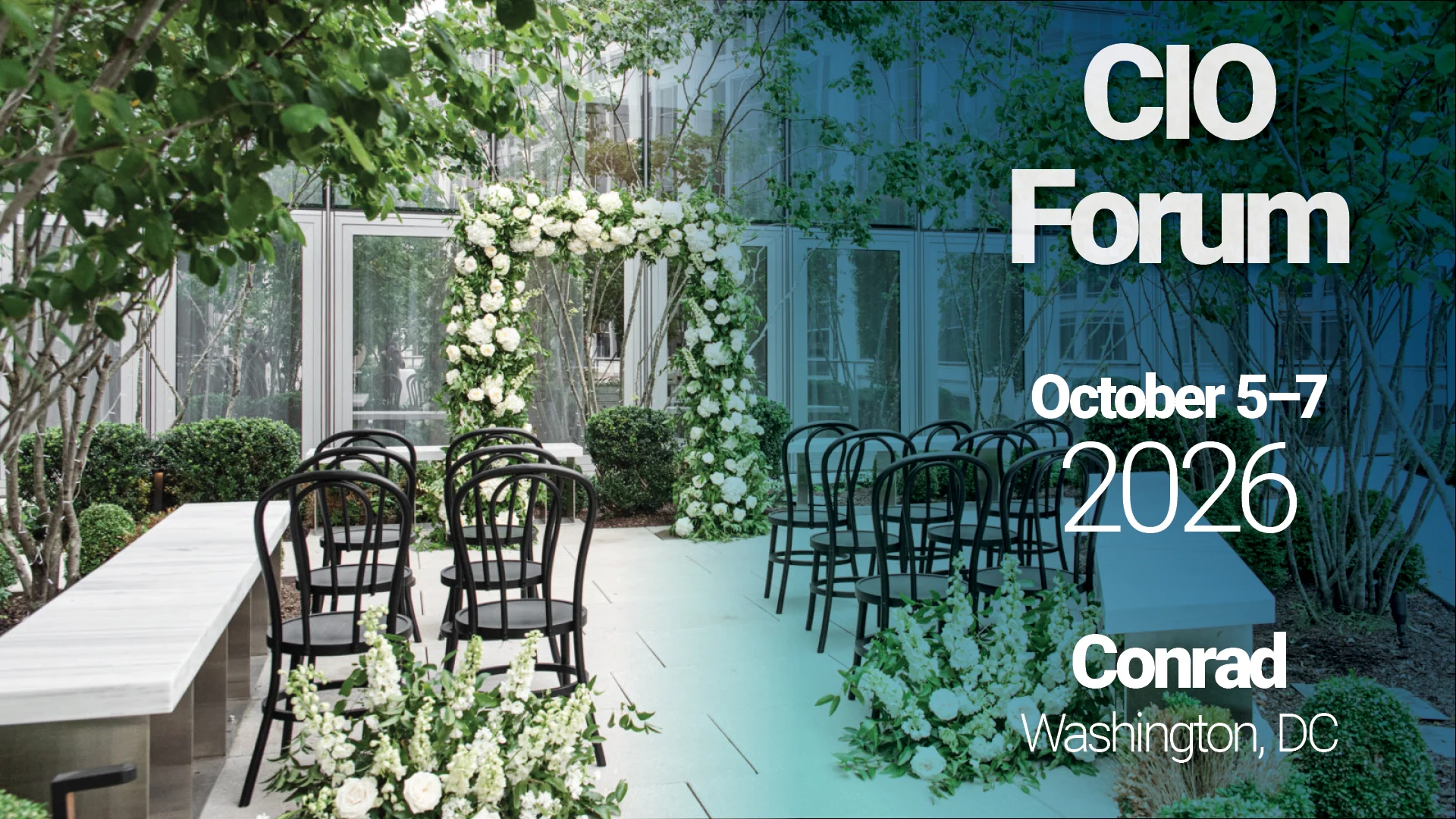
The CIO Forum explores enterprise-wide technology strategy, governance, infrastructure modernization, and the financial stewardship of IT investments.
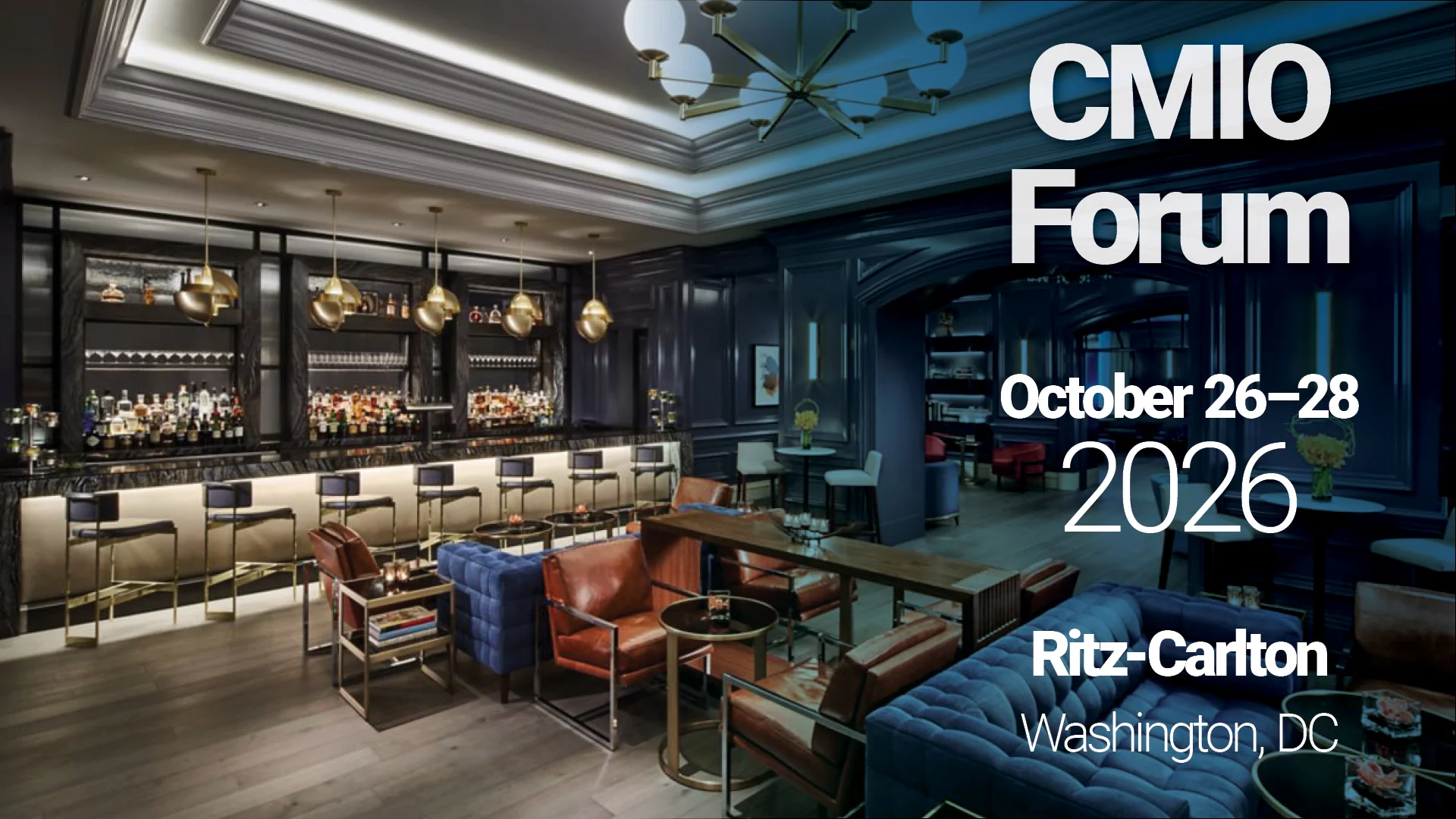
The CMIO Forum focuses on clinical workflow design, documentation, digital clinical tools, and the governance needed to safely deploy AI and emerging technologies in clinical settings.
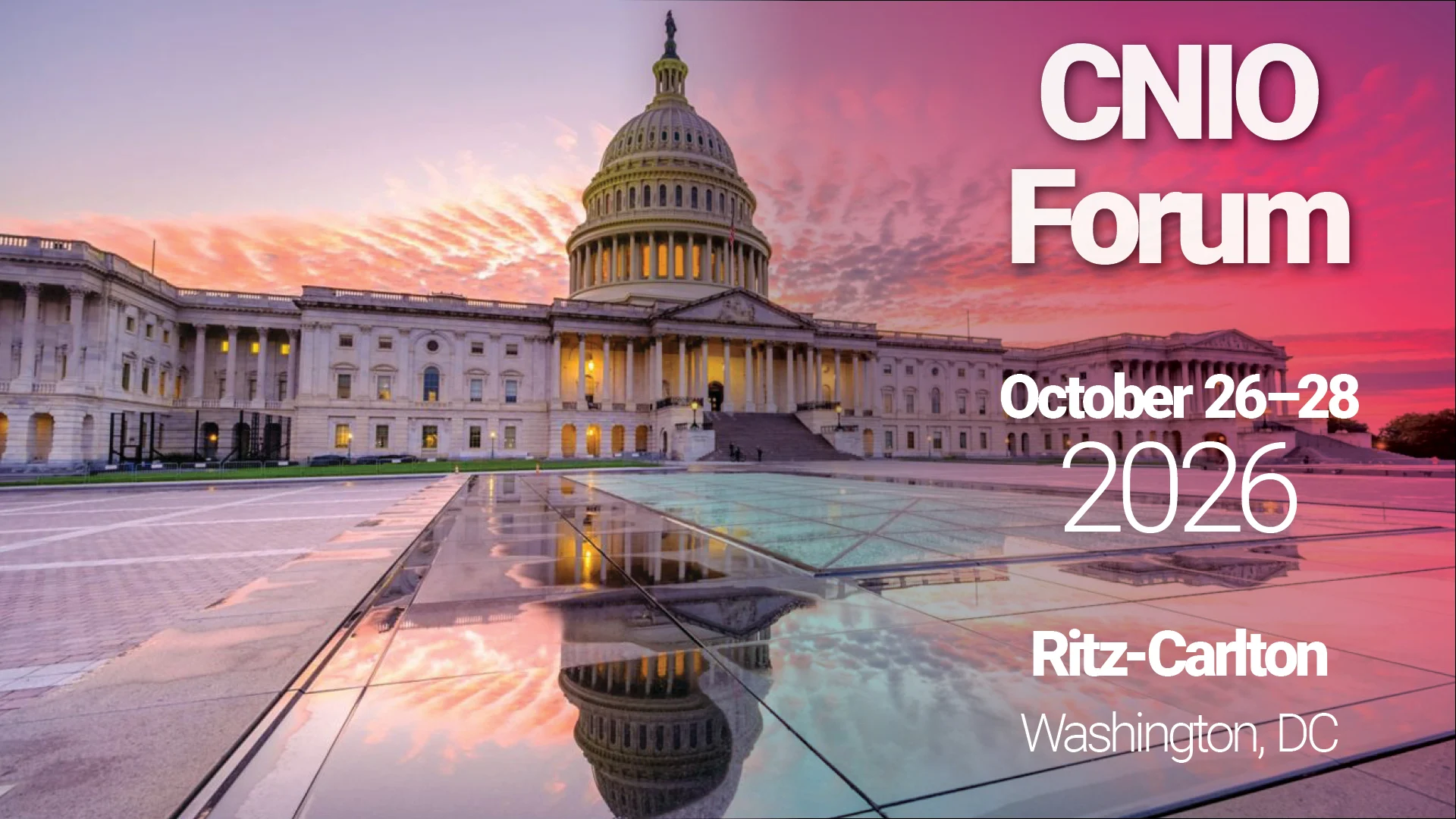
The CNIO Forum centers on nursing informatics leadership, documentation burden, operational resilience, and preparing nursing teams for the realities of AI-enabled care.
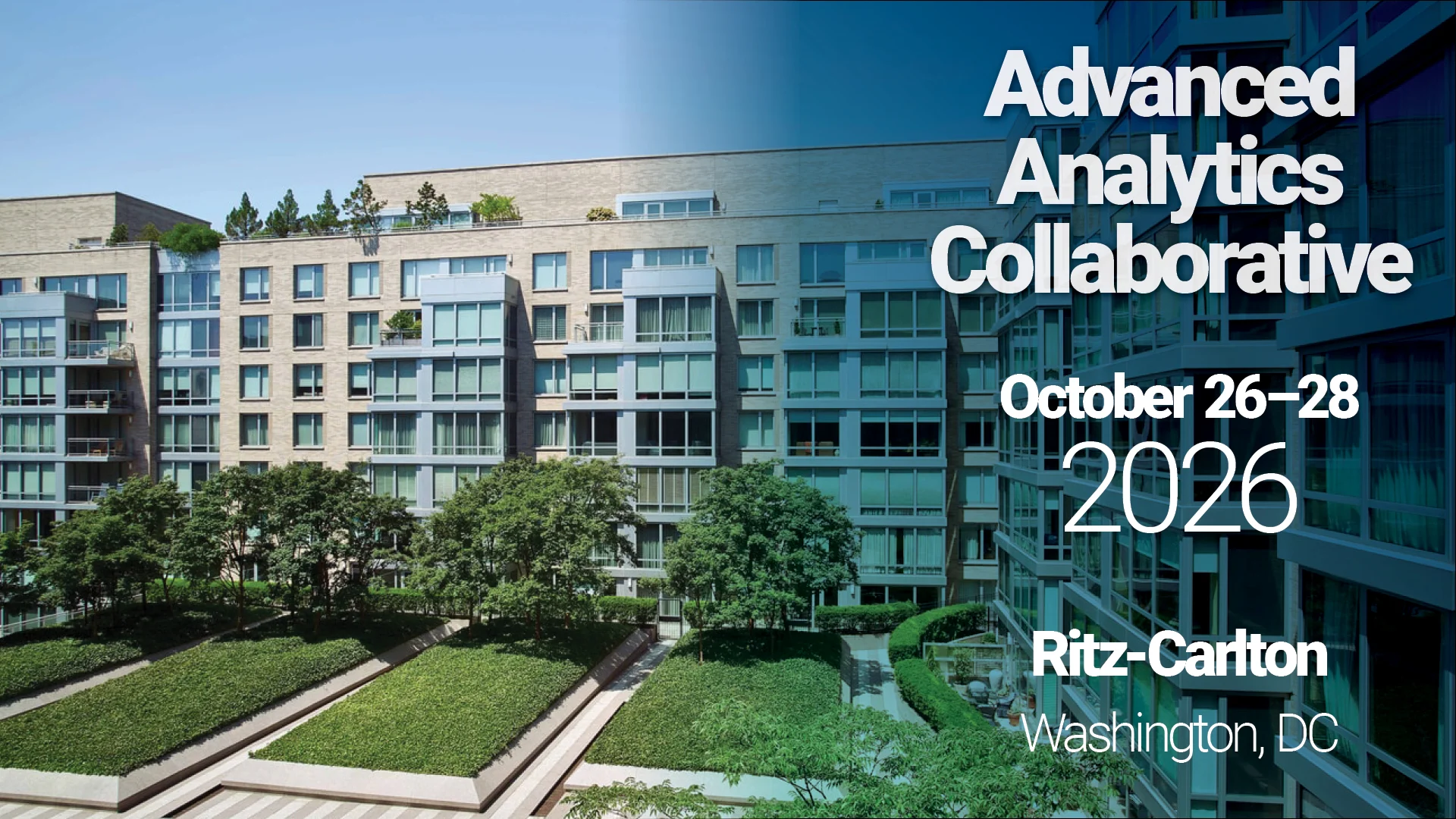
The Advanced Analytics Collaborative gathers data and analytics executives to discuss governance, architecture, workforce evolution, foundation models, and the shift from centralized analytics teams to product-driven approaches.
These communities intersect meaningfully but maintain distinct identities and priorities.
How are these Forums structured to encourage collaboration?
Each Forum blends facilitated working sessions, structured peer discussions, and open, informal dialogue. Their smaller size gives executives the time and space to exchange approaches, surface difficult questions, and test ideas with peers who hold similar accountabilities. The environment is intentionally relaxed: meals, receptions, and unprogrammed moments often generate some of the most instructive conversations. All sessions are closed to the public, enabling executives to speak candidly about challenges and what is or is not working in their organizations.
How prominently does AI feature in these discussions?
AI is now a central thread across all technology Forums. CIOs focus on governance models, vendor evaluation frameworks, and risks associated with shadow use. CMIOs examine the operational realities of deploying ambient and agentic AI in complex clinical environments. CNIOs explore how AI reshapes nursing workflows, documentation standards, training requirements, and literacy expectations. Analytics leaders discuss how foundation models, data quality, and architecture influence safe and responsible enterprise adoption. Across all groups, the tone reflects both the immense potential of AI and the discipline required to deploy it responsibly.
How do these Forums help industry leaders prepare for productive commercial engagement?
By hearing directly from CIOs, CMIOs, CNIOs, and analytics executives, industry participants gain a nuanced understanding of the pressures these leaders face and the constraints shaping their decisions. This includes insight into internal governance, barriers encountered with vendors, reasons certain solutions stall during evaluation, what constitutes credible ROI, and how technology decisions align with broader enterprise priorities. With this context, commercial conversations become more informed, relevant, and constructive for both sides.