THMA 2026 Medical Conferences
Engage directly with healthcare service line medical leaders
Health system service line and chief executives execute critical decisions across finance, clinical and operational structures, leading the way to scale access and optimize utilization. The pace of change demands that executives explore and analyze emerging challenges with the best minds in the healthcare industry. Collaborating to find innovative, evidence-based solutions is paramount. THMA’s focused medical conferences convene executives from the nation’s leading health systems to examine how to execute strategic priorities in real-time and ensure sessions remain accessible and relevant for today’s healthcare professionals.
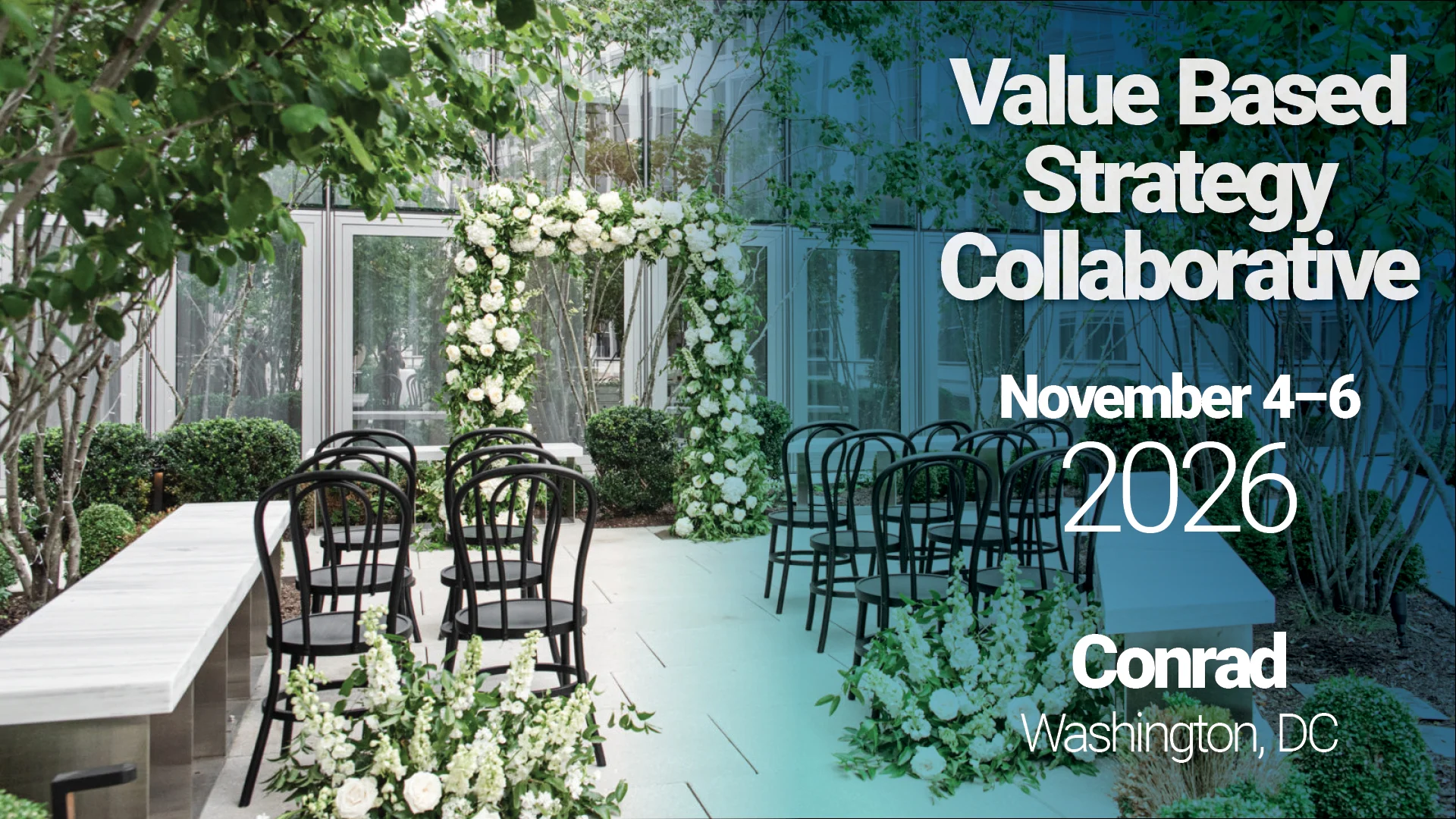
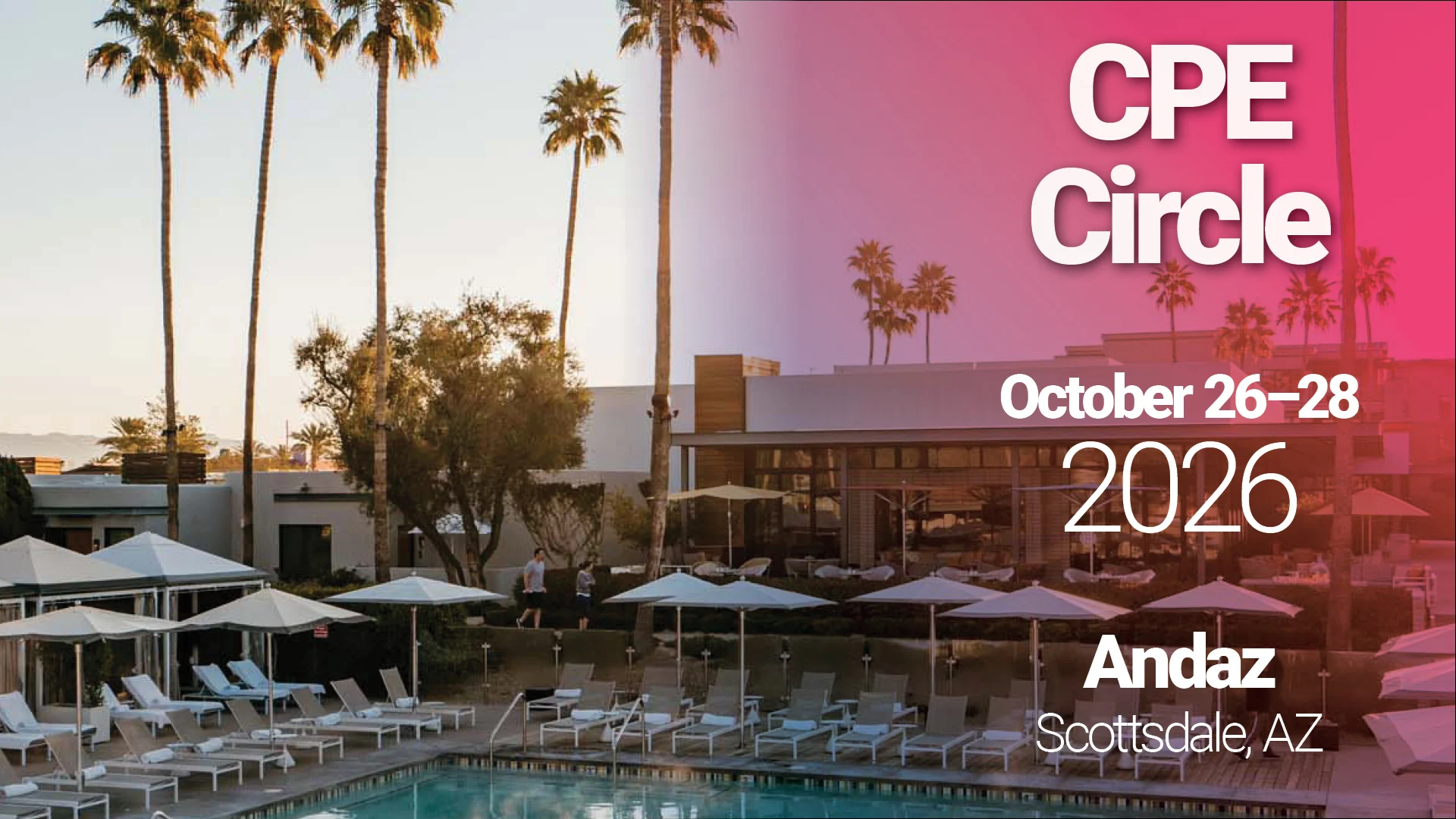
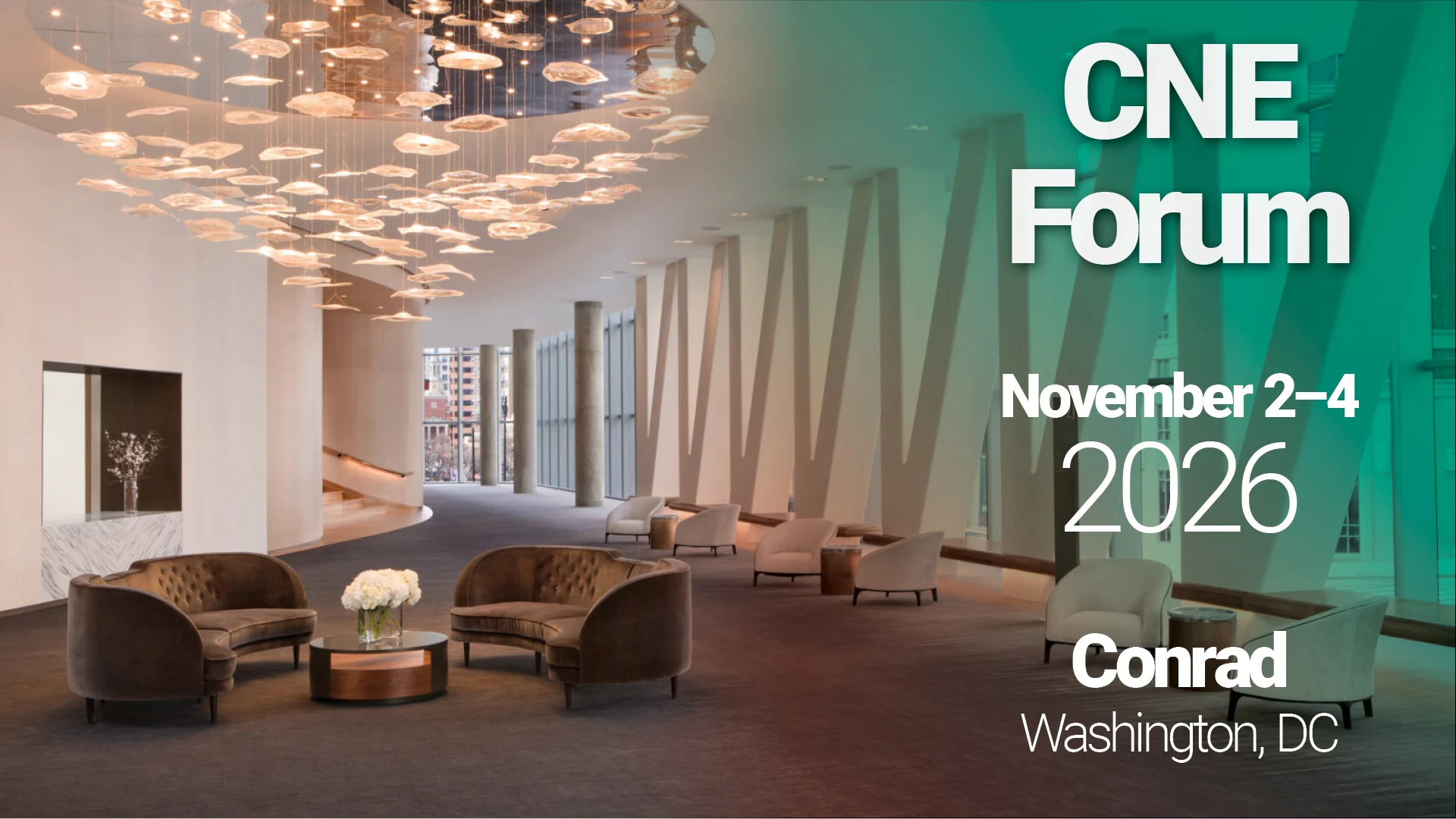
2026 Medical Conference Dates
THMA’s live conferences and forums are held biannually in thoughtfully selected, retreat-style locations across the country. Join us for an immersive 2.5-day session to connect with peers, learn, and build new relationships.





Health System Forum Members















What is the Future of Nursing?
Senior nurse leaders are industry innovators being called upon to lead and shape the nursing profession of the future. These sessions will focus on best practices in shaping nurse care teams and expanding RN impact in inpatient settings.
Experts will discuss the persistent challenges in preparing young RNs for tomorrow and how to address nurse anxiety and burnout. These discussions support continuing education needs across health systems and offer healthcare professionals practical insights they can immediately apply.
Strategic Focuses for 2026
In 2026, THMA’s conferences bring clinicians and physicians together for candid, strategic conversations on AI governance, policy shifts, care optimization, workforce pressures, and patient access in a private, peer-driven setting.
System-Wide Agility to Address Change
These sessions will focus on the mounting changes impacting US healthcare systems and the necessity of remaining agile to address them. From site-neutral payment pressures to health equity, the pressure is on to align clinical and operational structures and drive outcomes. We will discuss how agile systems address obstacles to care, ensure access and equity, and embed them into clinical strategy; equipping clinicians and executives to return to their organizations with practical, evidence-based strategies.
Focus on Specialty Service Lines
Live roundtables will facilitate insightful discussions on challenges faced by specialty service lines like cardiovascular, orthopedics, and pharmacy. Member-driven content, curated for chief executives and service line executives, will share lessons from leading health systems and select industry innovators. THMA’s focused medical sessions will provide the opportunity to examine real-time challenges and explore forward-looking strategies designed to meet the evolving needs of physicians and clinical leaders.
Who Attends Our Medical Conferences?
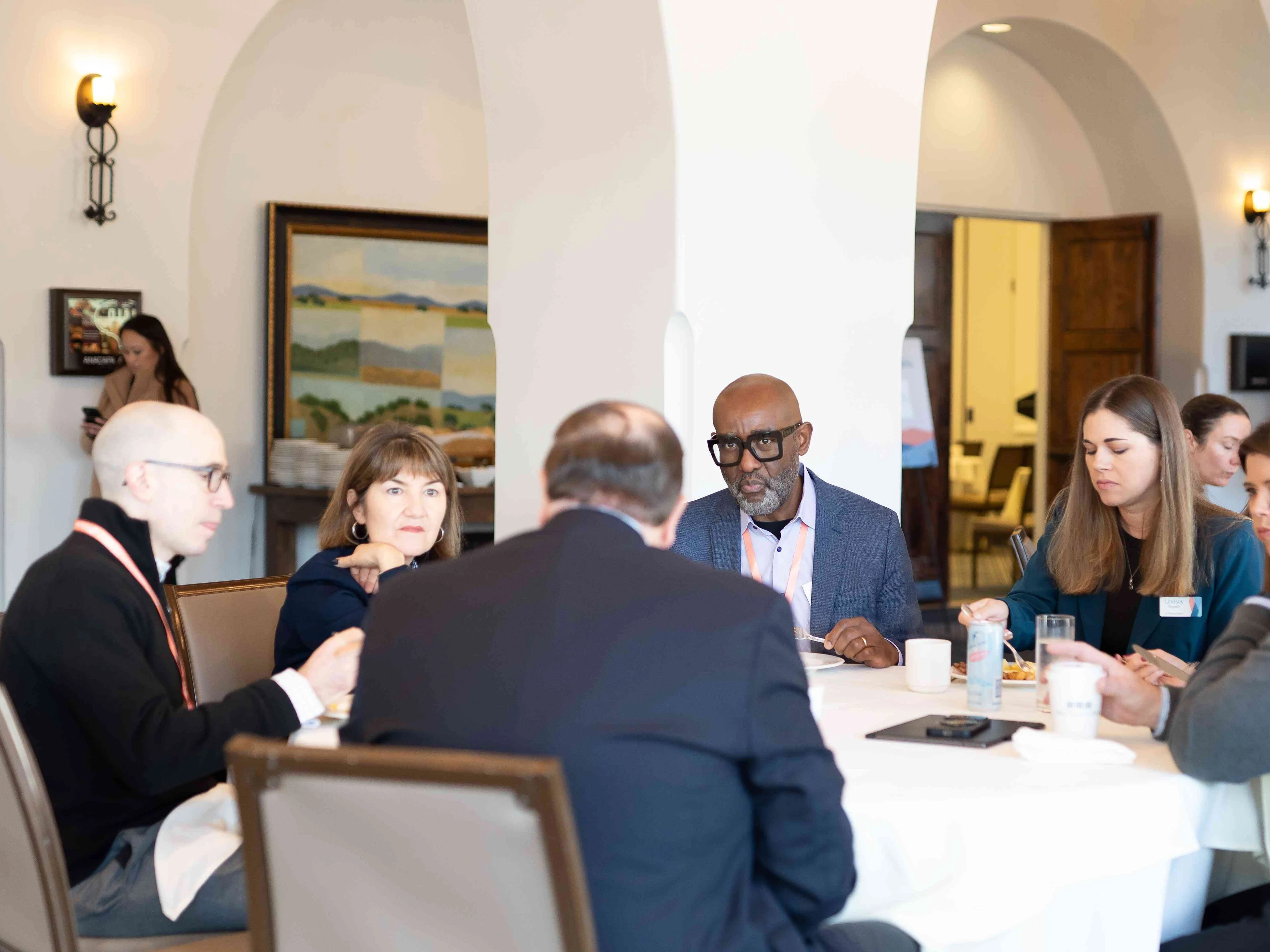
Chief executives, service line executives, and doctors from leading health systems in the US attend THMA’s focused medical conferences for meaningful, candid dialogue. Each 2.5-day convening provides a closed-door, private environment where high-level, confidential discussions can take place. Healthcare professionals, clinicians, and industry executives come together to share insights, build relationships, and benefit from shared knowledge, creating a great conference experience rooted in real expertise.
Chief Executives and Service Line Executives
THMA’s focused medical conferences are a unique combination of system-level service line executives and chief executives from the nation’s leading health systems, integrated delivery networks, and flagship hospitals. Executives are hand-selected to ensure mutual value. The exclusive closed-door sessions are singularly thought-provoking and generate new insights. Chief Physician Executives, Chief Nursing Executives, and health system service line leaders return each year for the purposeful conversations and shared problem-solving that reinforce their ongoing professional education and development.
Healthcare Industry Executives and Physicians
For industry members, this is a unique opportunity to gain insights into the arduous demands faced by chief executives and system service line leaders. We hand-select industry leaders, bringing value and a broad perspective to the conversation. The industry executives who attend focused medical conferences are there to listen and learn so they can deliver relevant solutions, strengthen recognition among healthcare professionals, and build lasting relationships grounded in understanding demand and clinician needs.
Is a THMA Medical Conference Right for You?
We have opened seats and are seeking healthcare companies to join our community of health system medical decision-makers. You may be a good fit if you are:
Looking to develop long-term relationships with health system influencers and key decision makers, not just hit year-end target lead goals.
Providing an innovative solution designed to solve health system’s challenges
Passionate about sharing and absorbing industry knowledge and thought leadership
A Director or higher commercial role
An organization with $25M+ in annual operating revenue
Frequently Asked Questions
What is Executive Convening?
Executive Convening is The Health Management Academy’s in-person Forum platform designed for candid, peer-level dialogue among health system executives and a curated group of industry leaders. Each Forum brings together a balanced mix of decision-makers in small, closed-door settings where industry is included as a participant, not a vendor. The model emphasizes shared learning, relationship development, and long-term partnership rather than short-term sales activity.
How are these Forums different from traditional medical or clinical conferences?
Most clinical conferences emphasize presentations, exhibit halls, or product visibility. THMA’s Forums emphasize strategic, cross-functional problem-solving. Sessions are built around live issues affecting service line performance: staffing, access, reimbursement, clinical coordination, technology adoption, and care-model redesign. The structure is deliberately small and interactive, which gives industry members access to real executive thinking rather than surface-level conversations.
How large are these events, and what is the balance of health systems to industry organizations?
Forums typically bring together 25–45 health system executives per service line and an equal number of industry organizations, maintaining a strict 1:1 ratio. Industry companies are limited to two executives per organization to preserve meaningful, balanced dialogue.
What themes are currently most prominent across these clinical and operational Forums?
Common themes identified across Oncology, Cardiovascular, Orthopedics, CNO/CNE, CPE, and Pharmacy include:
- Persistent margin pressure and cost restructuring
- Workforce shortages across nursing, physicians, APPs, and specialized clinical roles
- Access challenges and service line fragmentation
- Pressure to rationalize service lines, reduce duplication, and strengthen governance
- Growing interest in AI and digital tools that reduce manual work rather than replace clinicians
- Hard choices around what to build, what to outsource, and what to discontinue
- Increasing scrutiny of 340B, Medicaid financing, and site-neutral payments
- Clinical-finance alignment as a prerequisite for care redesign
- Community-based care models, ambulatory expansion, and home-based services
These themes shape nearly every discussion, regardless of service line.
How do these Forums help industry leaders build credibility with service line executives?
By participating in the same strategic discussions as health systems, industry executives demonstrate that they understand the pressures and constraints service line leaders face daily. Industry members can test their assumptions, refine their value story, and align their offerings to real-world pain points. The relationships formed across these sessions often extend into account management, product strategy, and long-term partnership development.
What types of discussions occur in the closed-door sessions?
Sessions focus on the real complexities of running a service line. Examples include:
- Coordinating care across inpatient, ambulatory, and post-acute settings
- Addressing payer policy changes, prior authorization demands, and reimbursement erosion
- Designing leadership pathways for nurses, physicians, APPs, and emerging talent
- Managing capital constraints, technology decisions, and EMR redesign
- Evaluating ambulatory infusion, ASC alignment, or outpatient oncology expansion
- Addressing tension between clinical autonomy and financial accountability
- Improving community access, patient navigation, and referral management
Industry is present as a peer, observing how executives think through these issues and contributing perspective when appropriate.
What value can industry members expect by attending?
Industry attendees can expect:
- Direct insight into service line priorities and pain points
- Relationships with decision-makers that typically take years to establish
- A refined understanding of how health systems evaluate partnerships and solutions
- A more informed commercial strategy built on executive-level input
- Increased credibility with existing accounts and prospects
- Opportunities to participate in shared-value conversations rather than transactional meetings
Most members view these Forums as a cornerstone touchpoint for account planning and strategic relationship development.
How does my company know if it is a good fit for these service line Forums?
Companies that benefit most are those with solutions tied to:
- Clinical workflow and care-team efficiency
- Access improvement, scheduling optimization, or navigation
- Workforce stabilization, training, development, or retention
- Care-model redesign in oncology, cardiovascular, orthopedic, or procedural care
- Pharmacy strategy, infusion operations, specialty drug management, or 340B impact
- AI tools that reduce administrative burden or enhance decision-making
- Population health or value-based care alignment
- Revenue integrity, reimbursement support, or clinical-finance coordination
The common thread is the ability to engage on service line priorities, not product features.
How does THMA select industry organizations for these Forums?
Industry companies are selected based on their alignment with health system priorities, their ability to contribute to peer dialogue, and their commitment to partnership-based engagement. THMA limits participation to organizations that can speak credibly about service line challenges and avoid sales-centric interactions.
How are the agendas developed for these Forums?
Agendas are shaped by continuous input from health system members throughout the year, supported by debriefs, peer learning sessions, and policy updates. Topics are selected based on current pressures, emerging risks, and shared operational needs across health systems. This ensures that each Forum addresses the issues members are actively navigating.
How should industry attendees prepare for these events?
Effective preparation typically includes:
- Reviewing the service line’s recent trends and pressures
- Aligning internally on a target relationship list
- Bringing a point of view on issues such as access, workforce, reimbursement, or care-model redesign
- Understanding where your solution supports clinical effectiveness or operational efficiency
- Planning how to carry Forum insights back into commercial or product strategy
The most successful participants approach these Forums as strategic working sessions, not prospecting events.
How do these Forums fit within THMA’s broader Executive Convening ecosystem?
Our focused medical events complement the broader CFO, COO, CIO, and CEO Forums by giving service-line leaders a dedicated space to explore clinical and operational issues in depth. Many organizations participate in multiple Forums concurrently, creating meaningful visibility across an entire health system’s leadership structure. Industry members leverage this cross-forum perspective to strengthen account strategies and align solutions across the enterprise.